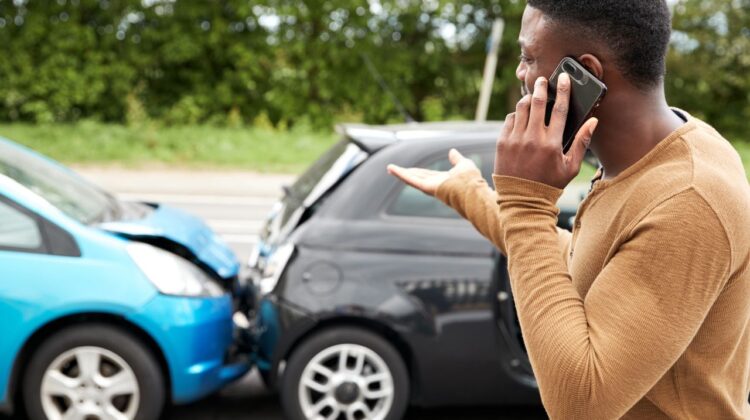
Buying a car is one of the biggest financial milestones for any South African. Whether you have just bought a brand new VW Polo or a reliable second-hand Toyota Tazz, the freedom of the open road is unbeatable.
But let’s be honest about the reality of driving in Mzansi. Between the unpredictable potholes in your municipality, the aggressive driving of minibus taxis, and the unfortunate risk of hijacking or theft, our roads can be a financial minefield.
Here is a scary statistic: It is estimated that up to 70% of cars on South African roads are uninsured.
This means if you are involved in an accident, there is a very high chance the other driver cannot pay for your repairs. If you do not have insurance, you could be left with a wrecked car and a debt that takes years to pay off.
Choosing the right insurance cover is not just a “nice to have”—it is a financial survival skill. But with so many options (Comprehensive, Third-Party, Fire & Theft), how do you know which one fits your budget and your needs?
In this complete guide, we will break down exactly how car insurance works in South Africa, explain the “jargon” like Excess and Premiums, and help you decide which cover is best for your wallet in 2026.
The Three Main Types of Car Insurance
In South Africa, car insurance is generally grouped into three levels of coverage. Understanding the difference can save you thousands of Rands.
1. Comprehensive Insurance
This is the gold standard of insurance. It is the most expensive option, but it covers you for almost everything. If your car is financed through a bank (like WesBank or ABSA), you are usually required to have this type of insurance.
What it covers:
- Damage to YOUR car: If you accidentally drive into a wall, hit a pothole, or crash into another car, the insurer pays to fix your vehicle.
- Damage to OTHER cars (Third-Party): If you cause an accident and smash into a luxury BMW, your insurance pays for their repairs (so you don’t have to sell your house to pay them).
- Theft and Hijacking: If your car is stolen or hijacked.
- Fire and Natural Disasters: Damage from fires, storms, hail, or floods.
Who is this for?
- If your car is less than 10 years old.
- If you are still paying off your car loan.
- If you cannot afford to replace your car or pay for major repairs out of your own pocket.
2. Third-Party, Fire, and Theft
As the name suggests, this covers specific risks but not accidental damage to your own vehicle.
What it covers:
- Theft and Hijacking: If your car disappears, you get paid out.
- Fire: If your car burns down.
- Damage to OTHER cars (Third-Party): If you hit someone else, their repairs are covered.
What it does NOT cover:
- Accidents you cause to YOUR car: If you swerve to avoid a dog and hit a tree, you have to pay to fix your own car yourself. The insurance will pay nothing for your repairs.
Who is this for?
- Drivers with paid-off cars that are valuable enough to be stolen (like an older VW Polo or Toyota Hilux) but maybe not worth paying high comprehensive premiums for.
3. Third-Party Only
This is the most basic and cheapest form of insurance. It is often ignored, but it is the absolute minimum protection every South African driver should have.
What it covers:
- Liability Only: It only pays for the damage you cause to other people’s property.
The Scenario: Imagine you are driving an old car worth R30,000. You skip a red robot and crash into a brand new Mercedes Benz worth R1,000,000.
- Without Insurance: You are personally liable. The Mercedes owner (or their insurance) will sue you for the damages. You could be in debt for the rest of your life.
- With Third-Party Only: Your insurer pays for the Mercedes. You still have to fix your own car (or scrap it), but your financial future is saved.
Who is this for?
- Students or drivers with old, low-value cars (worth less than R50k).
- If you can afford to buy another cheap car if yours is wrecked, but you cannot afford to pay for someone else’s expensive car.
Important Insurance Jargon Explained
When you read a quote, you will see words that might confuse you. Let’s translate them into plain English.
What is a “Premium”?
This is the amount you pay every month to keep your insurance active.
- Example: R450 per month.
- Tip: If you miss a premium payment, your cover stops immediately. Never skip a debit order!
What is an “Excess”?
This is the first amount you have to pay when you claim. It is the uninsured portion of your loss.
- Example: Your Excess is R5,000. You have an accident causing R20,000 damage.
- You pay: R5,000 (to the panel beater).
- Insurer pays: R15,000.
- Strategy: Choosing a higher excess usually lowers your monthly premium. If you are a safe driver, this is a smart way to save money.
What is “Retail Value” vs. “Market Value”?
When you insure your car, you choose how much it is insured for.
- Retail Value: The price a dealership would sell your car for (Highest value). Ideally, insure for this so you can replace your car easily.
- Market Value: The price you would get if you sold it privately (Lower value).
- Trade Value: The price a dealer would give you as a trade-in (Lowest value).
5 Factors That Affect Your Car Insurance Price
Why does your friend pay R500 and you pay R1,200 for the same car? Insurers calculate risk differently based on:
1. Your Age and Experience
Drivers under 25 are statistically more likely to have accidents. If you are young, expect higher premiums.
2. Where You Live
Parking your car on the street in Johannesburg CBD is higher risk than parking in a locked garage in a quiet suburb. Secure parking at night lowers your premium drastically.
3. The Type of Car
Some cars are “high risk” for theft in South Africa. For example, Toyota Fortuners, VW Polos, and Ford Rangers are frequently targeted by criminals. High-theft risk = High premiums.
4. Your Claims History
If you have claimed 3 times in the last 2 years, insurers see you as a “high-risk” driver. Protecting your “No-Claims Bonus” is essential to keeping costs low.
5. Vehicle Security
Do you have a tracker? An immobilizer? A gear lock? Adding these security features can often reduce your monthly costs.
How to Lower Your Car Insurance Premiums in 2026
Money is tight. Here are expert tips to get cheaper insurance without losing protection:
- Shop Around: Never accept the first quote. Use comparison websites or call at least 3 different insurers (like MiWay, Outsurance, Santam, or King Price).
- Increase Your Excess: As mentioned above, volunteering to pay a higher excess (e.g., R5,000 instead of R2,000) can drop your monthly fee significantly.
- Bundle Policies: Insuring your car and your house contents (TV, furniture) with the same company often gets you a discount.
- Drive Less: Some insurers offer “Pay As You Drive” policies. If you work from home and hardly drive, you shouldn’t pay full price.
- Fix Your Credit Score: believe it or not, many insurers check your credit score. A good credit score indicates you are responsible, which can lead to better rates.
Red Flags: Warning Signs of Bad Insurance
Not all cheap insurance is good. Be careful of:
- “Too Good To Be True” Premiums: If a quote is half the price of everyone else, check the Excess. They might have a massive R10,000 excess hiding in the fine print.
- Exclusions: Read the document. Does it cover you on gravel roads? Does it cover hail damage? (Hail storms in Gauteng can write off a car in minutes).
Which Cover Should You Choose?
- Choose Comprehensive if you owe money on the car or if the car is valuable to you.
- Choose Third-Party, Fire & Theft if your car is paid off but still a target for thieves.
- Choose Third-Party Only if you drive a “skedonk” (cheap old car) but want to protect yourself from being sued by a luxury car owner.
Driving without insurance in South Africa is a gamble you cannot afford to take. Even the most basic cover gives you peace of mind that one mistake won’t ruin your financial future.
Need a Quote? It takes less than 5 minutes to compare options. Do your research today and protect your ride.
(Disclaimer: The Mzansi Post provides this information for educational purposes only. We are not financial advisors. Please consult with a registered Financial Service Provider (FSP) for personalized advice.)